As funding priorities change, countries in the HIVE network face decisions on how to maintain and expand progress in preventing vertical transmission of HIV. That challenge was the focus of a November HIVE Strategic Dialogue, held during the CQUIN 9th Annual Meeting in Durban, South Africa.
On Wednesday, November 19, vertical transmission prevention (VTP) leads, program leaders from participating countries, and technical teams from ICAP and PATA met to address current VTP program priorities.
During the discussion, each of the six countries in the Network was given the opportunity to identify priority areas that will require more attention in the year ahead. Countries identified specific gaps in mother–infant tracking, PrEP services for pregnant and breastfeeding women, community-based support, and data systems, and emphasized the need for more practical opportunities for peer learning and exchange.
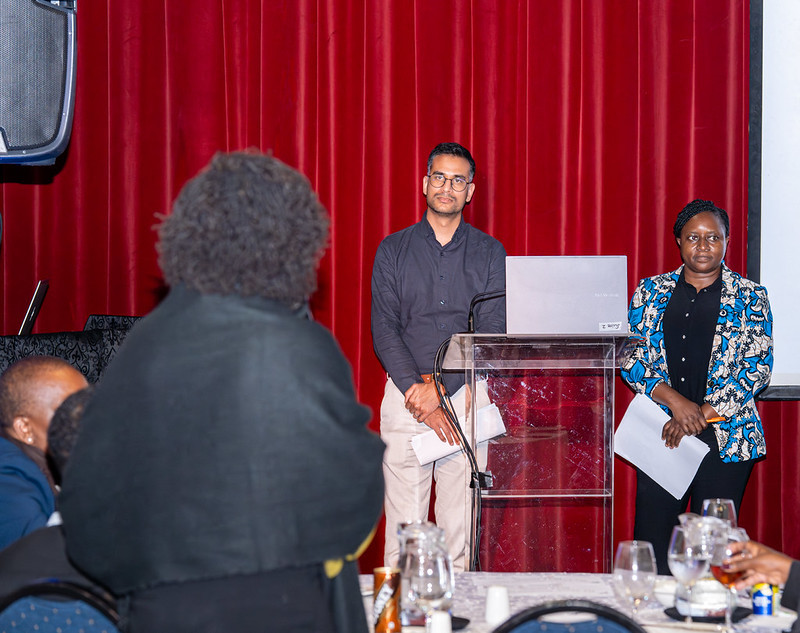
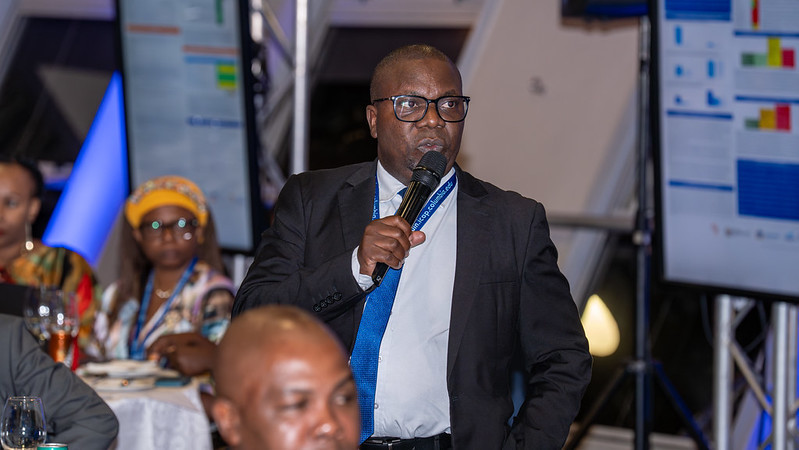
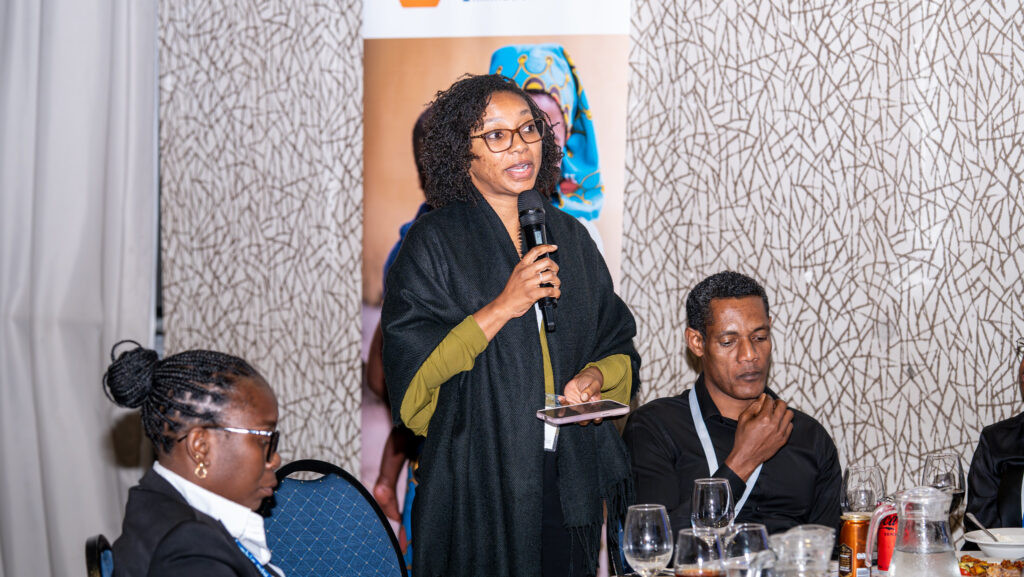
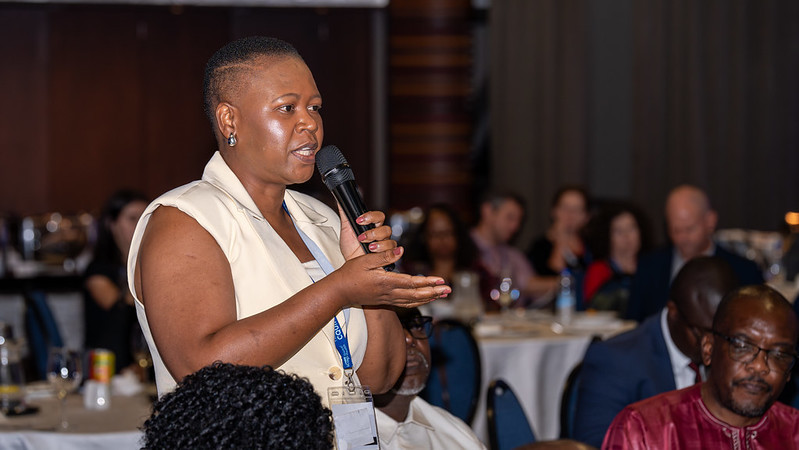
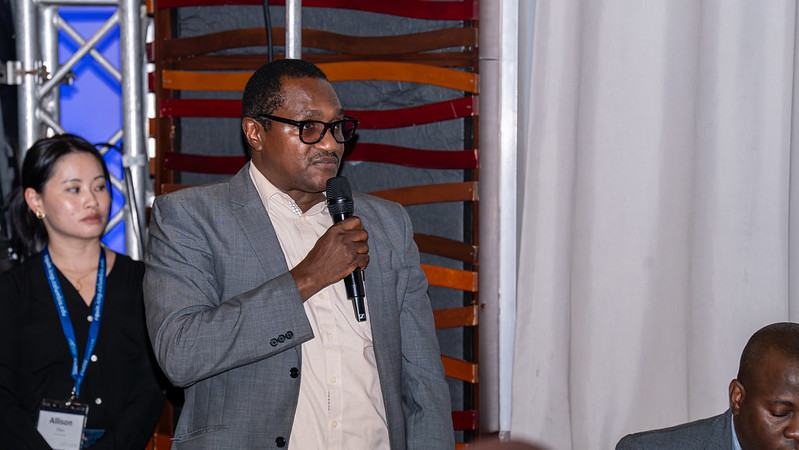
“We’re really fortunate with the HIVE grant in that we work with both national and local implementers in countries to look at their policies,” said Leisl Paige-Shipp, TB & HIV Senior Program Officer, Gates Foundation. “Especially at this time, it’s a great opportunity to figure out how we should prioritize, maybe shift some of our implementation efforts, and further integrate services.”
At the meeting, participants also raised concerns about the growing strain on community-led services, which have long played a central role in preventing vertical transmission.
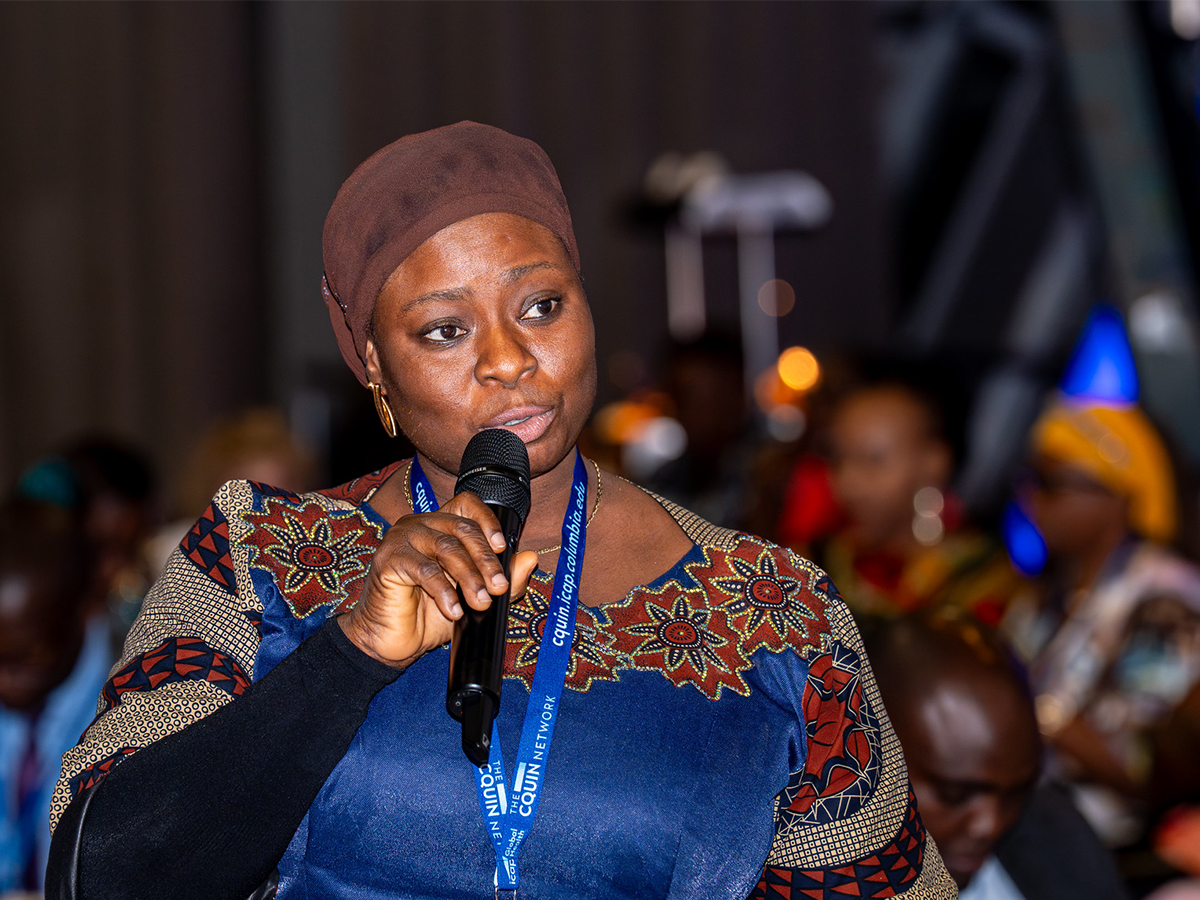
“The cornerstone for ending vertical transmission in children has been the community,” said Lillian Mworeko, executive director for the International Community of Women Living with HIV Eastern Africa (ICWEA), a regional HIV advocacy network that supports women’s reproductive health rights. “With the funding cuts, communities have shut down. Peer and mentor mother networks are no longer operating in some countries.”
She called for dialogue and inclusion of community voices.
“We need a genuine dialogue with all stakeholders on the table to take us forward,” Mworeko said. “There is a lot of fear and silence within the communities, regionally and at the country level. People are being reserved with what they say and how they say it, but I am confident that HIVE can bring stakeholders together for genuine dialogue.”
Countries also examined which VTP services and systems they will prioritize in ongoing negotiations with the U.S. government, including how these priorities will be reflected in new and updated memoranda of understanding.
Participants also identified where shared learning would be helpful over the coming year, including opportunities for webinars, peer exchange visits, and direct country-to-country learning. HIVE leadership will use this input to shape technical assistance priorities and activities for 2026.
All photos from the event are available to view [here]