
During the latter half of 2025, the HIVE network engaged in a range of activities – from convenings to trainings – that have helped shape the discourse around vertical transmission prevention (VTP) efforts and build momentum for action in the year to come. The following are some highlights from the past few months:
August
HIVE Kicks Off Subnational Planning Meetings Across Three Countries
From July 28 to August 22, HIVE convened subnational kick-off meetings in South Africa, Nigeria, and Mozambique, focused on reprioritizing VTP efforts. Led by PATA, the meetings brought together representatives from ministries of health, implementing partners, and maternal and child health experts to align priorities for VTP implementation.
Discussions identified priority areas for technical support. These included refining the subnational VTP capability maturity model, a tool used to assess the strength of VTP programs and identify priorities for improvement. Teams also emphasized the need to strengthen national monitoring and evaluation tools by adding missing VTP indicators and to conduct deeper analysis of subnational data to identify service and policy gaps.
Ministries of health requested technical assistance to expand community-based VTP services, particularly infant sample collection, testing, and linkage to care for pregnant and breastfeeding women facing access barriers. Countries also called for support to validate pathways toward elimination of vertical transmission, including peer learning visits with countries that have achieved elimination.
September
VTP Training in Nampula
HIVE conducted a five-day VTP training program for maternal and child health nurses at selected facilities in Nampula Province. Using the national VTP package, the training addressed gaps identified through baseline assessments and combined classroom learning with practical sessions. Luisa de Oliveira, PATA- HIVE country lead for Mozambique, facilitated the training.
“This training was important to strengthen pathways and coordination among providers within health facilities and communities, to diagnose early and start treatment, retain in care to achieve the suppressed viral load in the mothers, and eliminate the vertical transmission of HIV, hepatitis, and syphilis,” she said. Ongoing mentorship will support sustained improvements in service delivery.
South Africa: Advancing Triple Elimination
In partnership with the National Department of Health and the South African National AIDS Council, SANAC, HIVE facilitated the first national training for health promoters on the prevention of vertical transmission of HIV, syphilis, and hepatitis B. The training equipped participants to integrate VTP messaging into community and facility-based outreach, supporting demand for antenatal care and timely screening and treatment.
October
Zambia Reaffirms Commitment to Sustaining VTP Services Amid Funding Shifts
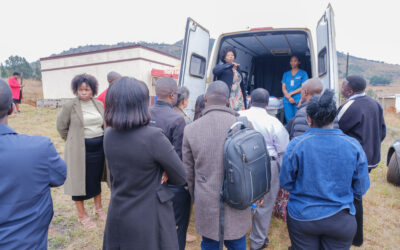
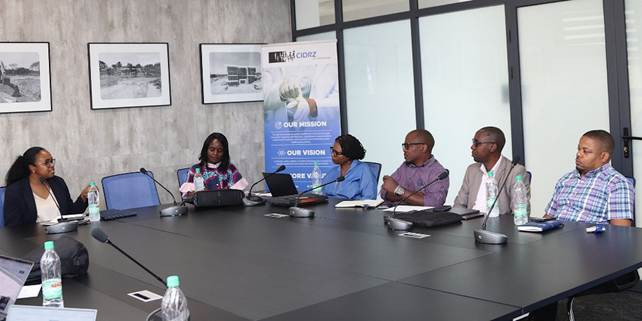
From October 6 to 10, the Zambia Ministry of Health hosted ICAP’s HIVE regional team for a series of meetings focused on sustaining VTP services amid funding shifts. Meetings included senior Ministry of Health leadership, implementing partners, and community representatives. The discussions reaffirmed Zambia’s commitment to eliminating vertical transmission of HIV and to continued engagement in the HIVE network.
The visit helped clarify national priorities under the revised HIV minimum package of care for the HIVE team. These priorities include prevention, early infant diagnosis follow-up, and postnatal continuity of care. While antiretroviral treatment supplies for pregnant and breastfeeding women and infants are assured for the coming year, participants noted reduced mentor-mother coverage, slower PrEP scale-up for pregnant and breastfeeding women, and disruptions to community follow-up systems. Partners also aligned on priority areas for HIVE technical support, including strengthening monitoring and evaluation systems, improving the use of subnational data, and expanding community-based VTP services.
.
November
HIVE PI Highlights VTP Priorities for Mothers and Infants at CQUIN 9th Annual Meeting
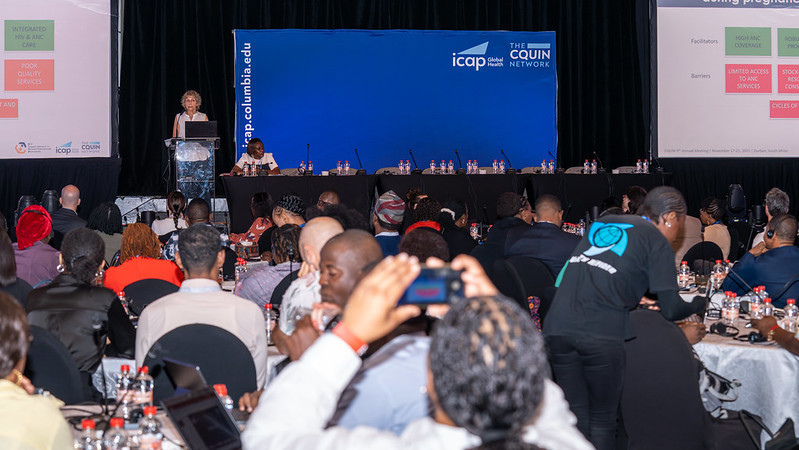
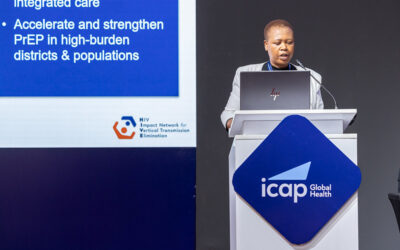
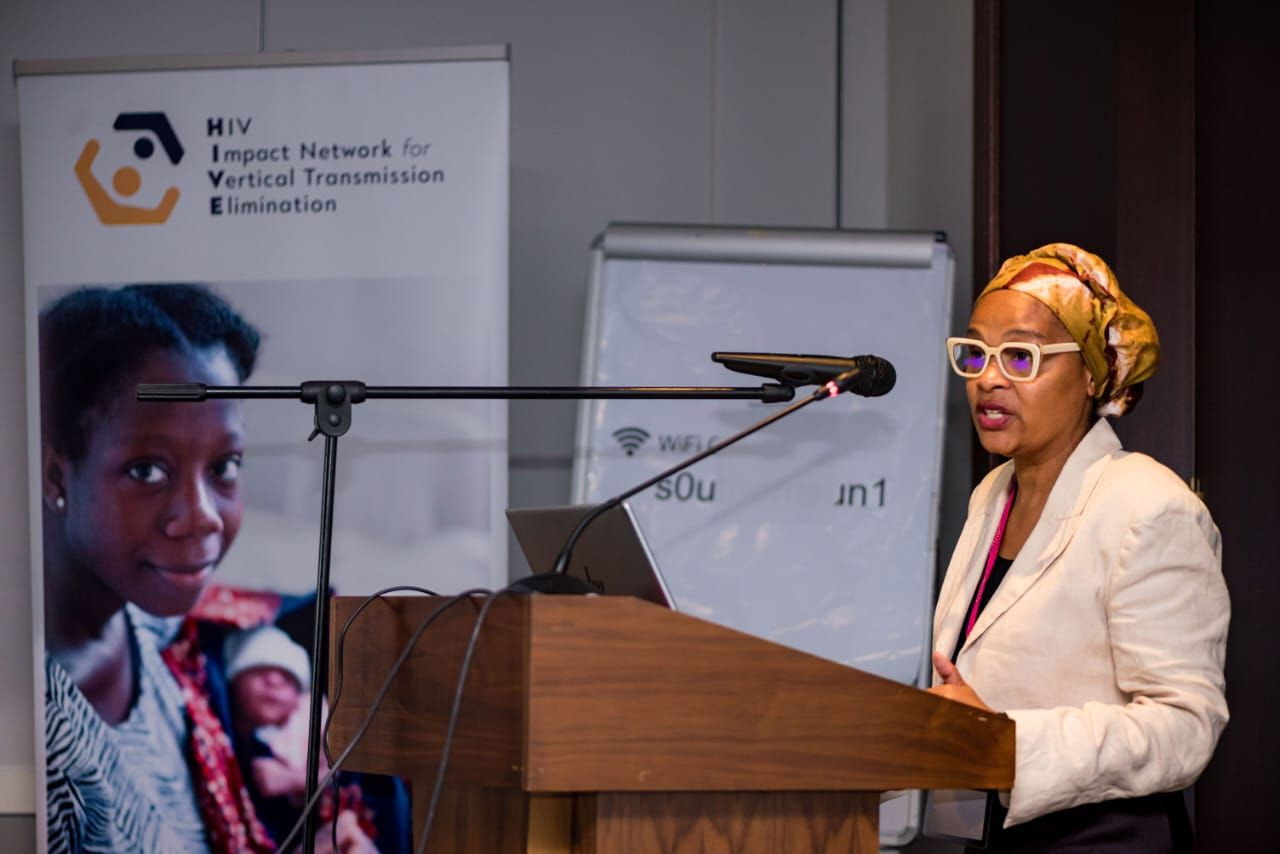
At the CQUIN 9th Annual Meeting in Durban, South Africa, Elaine Abrams, MD, HIVE principal investigator, delivered a keynote on prioritizing VTP in a shifting landscape.
Drawing on global and HIVE country data, she highlighted the significant progress made over the past two decades, while pointing to persistent gaps in maternal HIV diagnosis, treatment during breastfeeding, and testing and follow-up for HIV-exposed infants. Many of these gaps have widened over the last year amid shifting funding priorities. The presentation emphasized the need to protect core VTP services for pregnant and breastfeeding women and their infants as countries continue to adapt HIV programs.