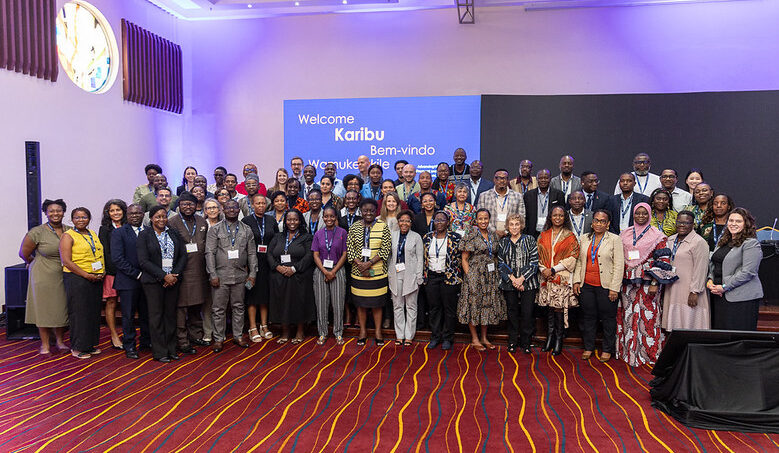
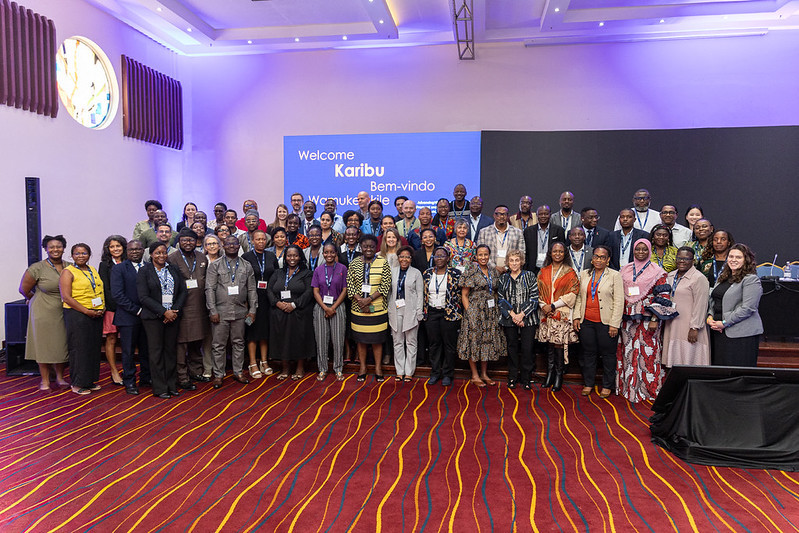
Advancing HIV prevention and PrEP for pregnant and breastfeeding women. That was the theme of HIVE’s latest meeting, which convened approximately 75 Ministry of Health representatives, including vertical transmission prevention (VTP) leads from the six HIVE-supported countries, community advocates, the Gates Foundation, and other partners involved in the VTP response.
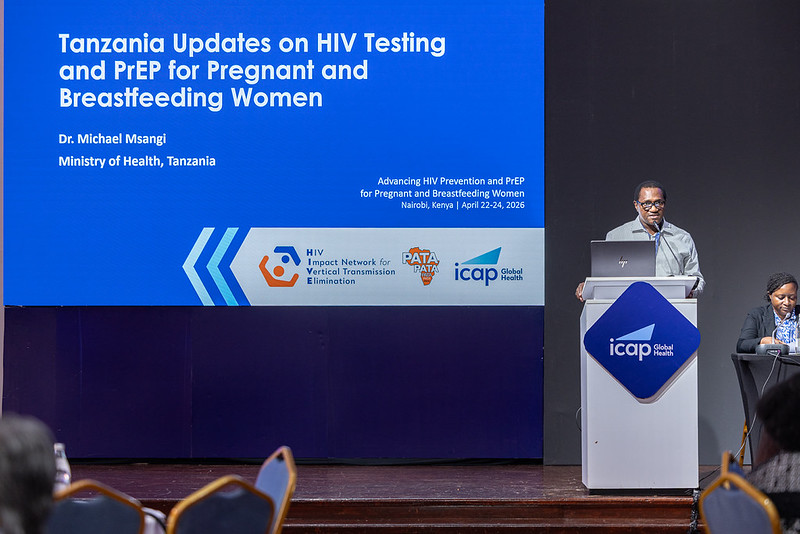
From April 22-24, 2026, participants gathered in Nairobi, Kenya, to share lessons learned, country case studies, emerging solutions, and national priorities to advance country-led VTP efforts. Effective rollout of HIV testing and PrEP for pregnant and breastfeeding women to accelerate progress toward eliminating pediatric HIV infections stood high on the agenda. Throughout the meeting, key learnings surfaced across plenary presentations, panel discussions, country action planning sessions and exercises, and an open-market-style tools lab.
Held in partnership with Kenya’s National AIDS and STI Control Program (NASCOP), the meeting provided a unique forum for the professionals most involved with this work to compare approaches, examine emerging evidence, and identify opportunities to strengthen HIV testing and PrEP delivery within maternal and child health (MCH) services.
“It’s very difficult if a country works in isolation to reprogram its vertical transmission delivery systems, particularly to strengthen HIV testing and PrEP delivery during pregnancy and breastfeeding within maternal and child health services,” said Maureen Syowai, MBChB, MSc, HIVE program director. “When we come together as a network and openly share our best practices and challenges, member countries are able to accelerate their responses and improve prevention for pregnant and breastfeeding women.”
The meeting comes at a pivotal moment for HIV prevention. Recent shifts in global funding and priorities are threatening VTP systems across the network, and prevention programs for HIV-negative pregnant and breastfeeding women in the VTP cascade are still in the early stages of implementation. While oral PrEP has been available in many countries for several years, uptake, continuity, and integration into routine MCH services that pregnant and breastfeeding women rely on remain ongoing challenges. New long-acting PrEP options are now being introduced. Several HIVE-supported countries have begun rolling out lenacapavir (LEN), a twice-yearly injectable antiretroviral agent, while others are still preparing for its introduction. As these tools become available, the focus for countries is increasingly on how to introduce, monitor, and scale them within MCH services.
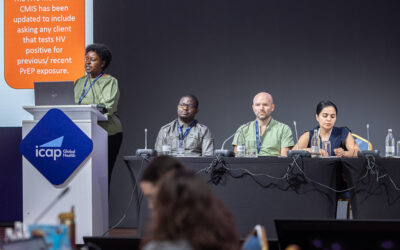
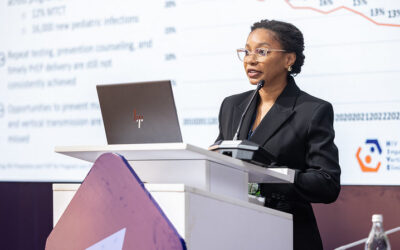
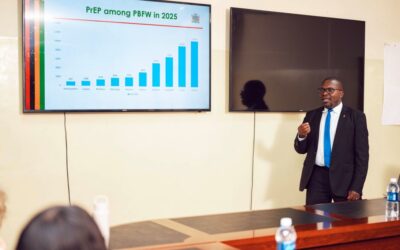
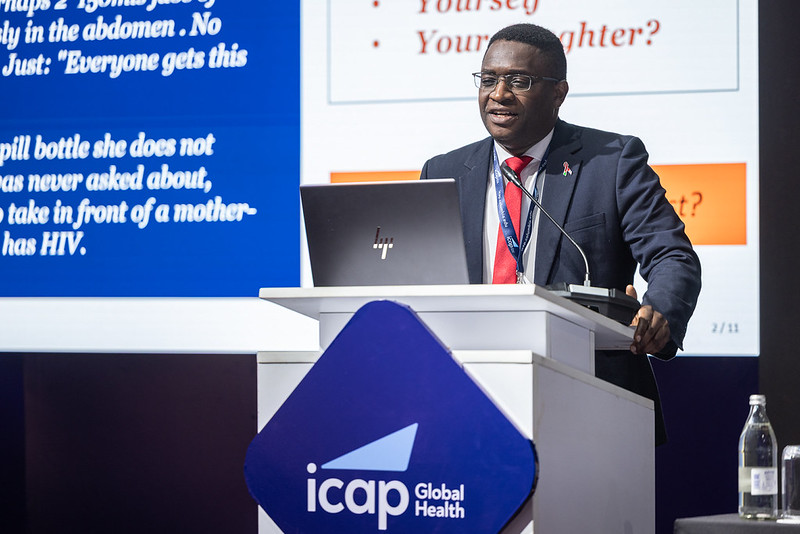
Country teams from Kenya, Nigeria, Zambia, Mozambique, South Africa, and Tanzania presented updates and innovations from their national programs. Kenya reported that its national LEN rollout began in February 2026, initially in 15 high-burden counties, with LEN now fully integrated into maternal and child health services at 35 health facilities. Tanzania shared significant gains in 2025, including a sharp increase in HIV retesting for breastfeeding women — from nine percent in 2024 to 37 percent in 2025 — and growth in quarterly PrEP initiation among pregnant women from 22 percent to 81 percent over the course of the year. A team from Eswatini, an early LEN adopter and an active member of ICAP’s HIV Coverage, Quality, and Impact Network (CQUIN), joined the meeting to share lessons from that country’s rollout. Elaine Abrams, MD, HIVE principal investigator and ICAP senior research director, also delivered a keynote on what is currently known about the safety of long-acting PrEP options during pregnancy and breastfeeding.
A tabletop exercise during the meeting focused on integrating PrEP and MCH services for person-centered care. Country teams walked through the case of a hypothetical pregnant or breastfeeding woman, mapping out the months of her MCH and PrEP visits. For each visit, teams identified where the encounter would happen, which provider would deliver the service, and which register the visit would be documented in. The flip charts that emerged from the exercise revealed the complex planning and logistics involved in integrating PrEP into existing MCH platforms.
Sessions also focused on optimizing monitoring and evaluation systems for an era of diverse PrEP options, strengthening the VTP cascade, and improving HIV testing and retesting during pregnancy and breastfeeding. Preliminary cross-country analysis shared during the meeting highlighted areas of progress across the network, including the inclusion of HIV testing during pregnancy and breastfeeding in national guidelines and the availability of provider guidance in many settings.
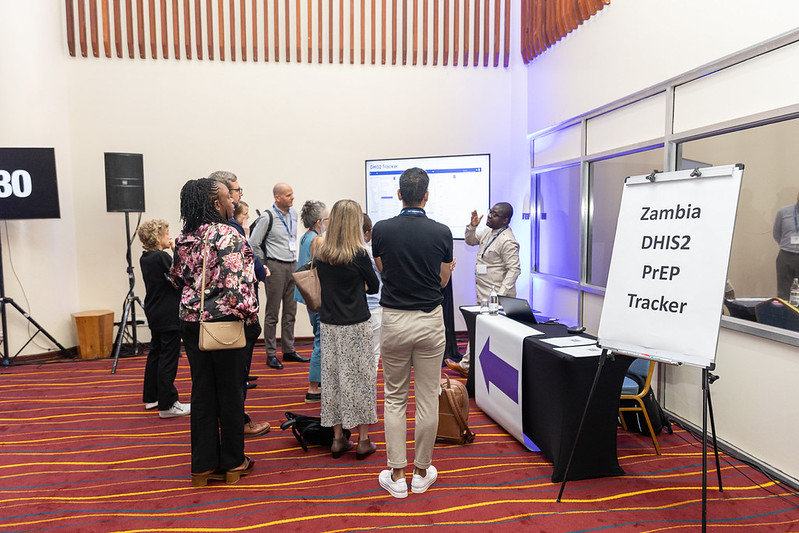
The meeting’s tools lab also offered country teams an opportunity to demonstrate the practical tools they are using to strengthen prevention service delivery, demand creation, and integration with MCH platforms. The Mozambique country team shared its multi-channel campaign to drive demand for oral PrEP across television, radio, social media, and posters, with messaging that positions PrEP as an empowering lifestyle choice for adolescents, youth, pregnant, and breastfeeding women. The South Africa team presented its integrated visit schedule for mothers on PrEP, a tool that aligns a mother’s PrEP refills, HIV and STI screening, and contraception visits with her child’s immunization schedule so the mother-baby pair only attends the facility once. Country teams from Eswatini, Kenya, Nigeria, and Zambia also shared tools, and participants moved from station to station, learning directly from peers about what is being tested, adapted, and refined.
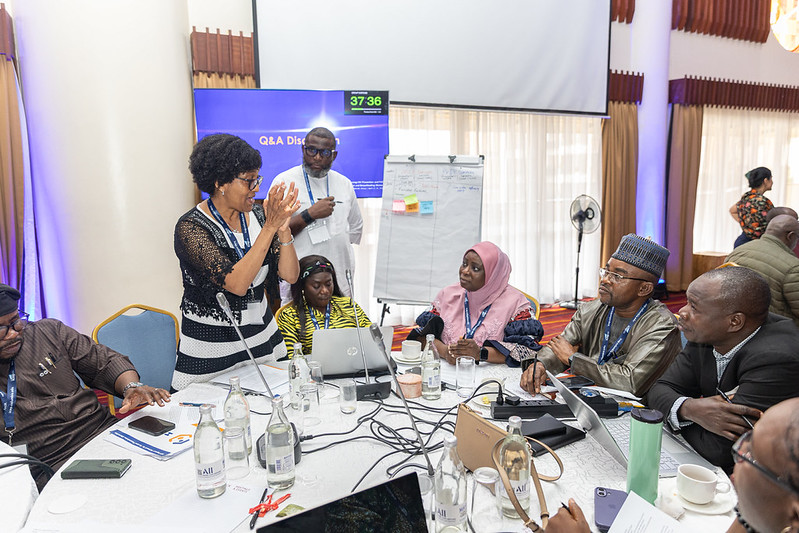
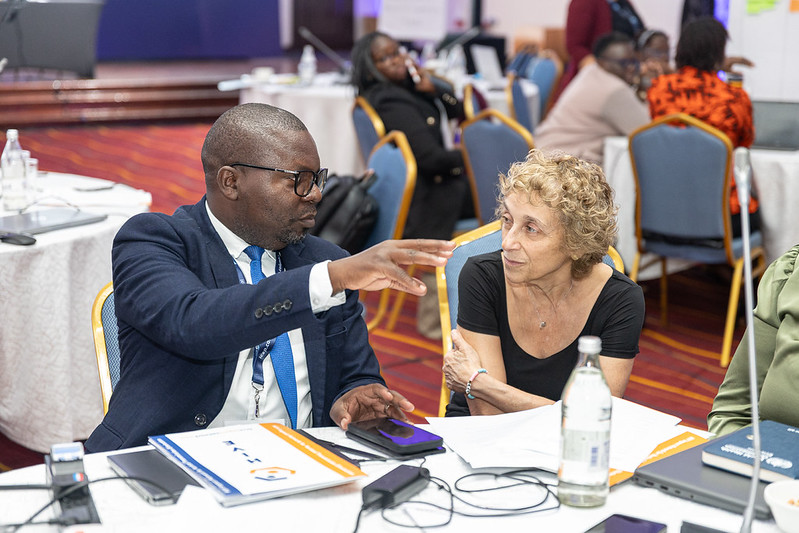
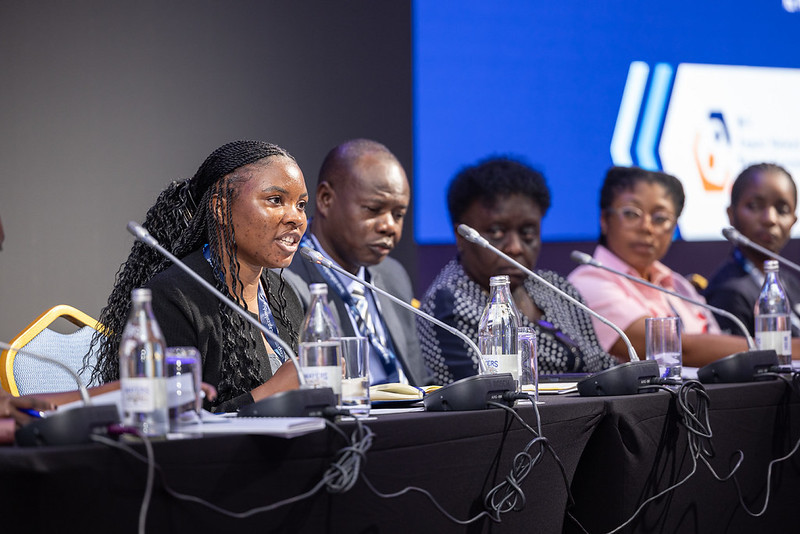
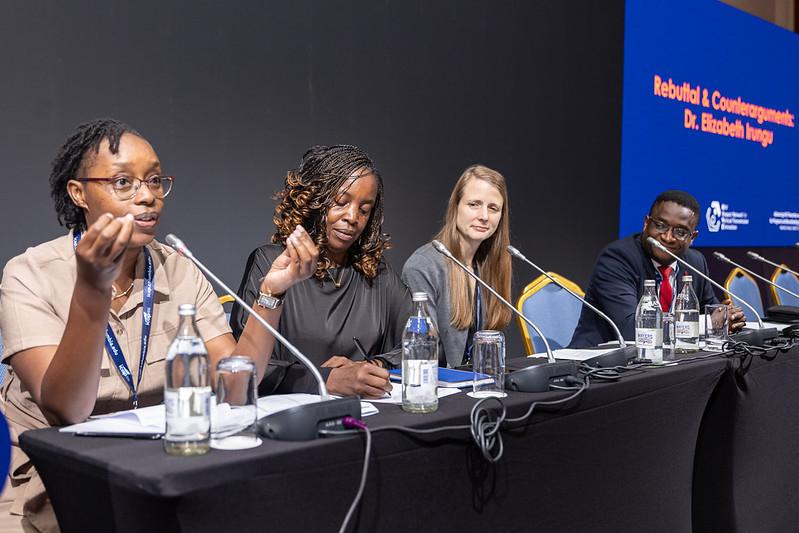
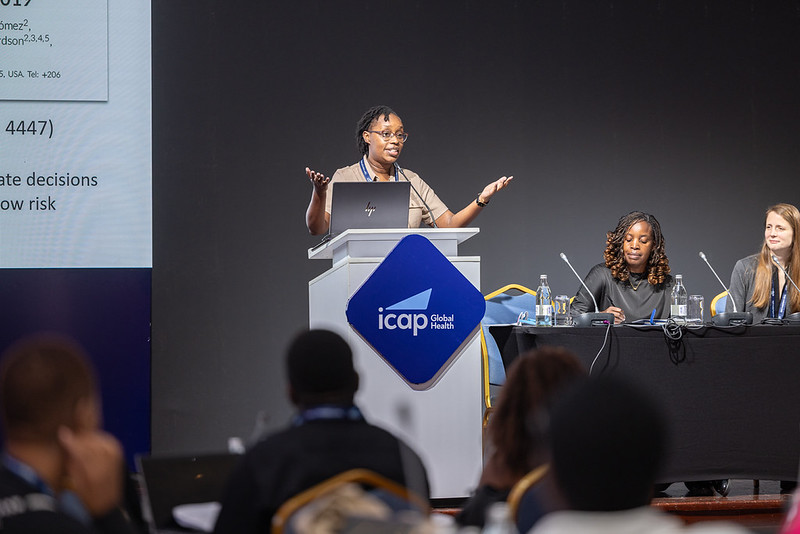
A formal debate on the proposition “All HIV-negative pregnant and breastfeeding women should be considered eligible for PrEP” featured Suilanji Sivile of Zambia’s Ministry of Health and Elizabeth Irungu of Jhpiego Kenya. Arguing for the motion, Irungu made the case that risk-assessment tools miss women who are truly at-risk, universal availability normalizes prevention and removes stigma, and that the cost of “unnecessary” PrEP is small and temporary compared to the lifelong cost of a missed infection. Sivile, opposing, argued that universal eligibility is not the same as universal benefit and that most women self-assess as low-risk and need a conversation and education rather than a default prescription. A poll of the room before the debate showed participants nearly evenly split on the proposition – 51 percent in favor, 49 percent opposed. After the debate, support for the motion rose to 55 percent, with 45 percent opposed.
“The real issue is not just about eligibility, it’s about choice,” said Kunyima Banda, debate moderator and executive director of Tides24 Foundation, a Zambian organization leading community-driven prevention efforts for pregnant and breastfeeding women. “Every pregnant or breastfeeding woman should have information, should be supported, and should have the opportunity to decide for herself.”
Community advocates and recipients of care played an important role at the meeting, reminding participants that the mothers and children being discussed are at the center of these programs. As Robinah Babirye of Uganda’s African Young Positives Network put it during the closing session: “While we design programs, we should consider pregnant and breastfeeding women beyond the program. Let’s create an environment where women smile because their greatest achievement is seeing their babies healthy.”
The meeting closed with country action-planning sessions, during which country teams worked on plans they will now take to their respective governments for next steps.
“The meeting was timely. The focus areas resonate well with one of the gaps we’ve identified in Zambia – PrEP uptake,” said Chimika Phiri, HIV prevention lead at the Zambia Ministry of Health. “The message is the same across countries: we need to up our game on prevention. Through this interaction, we’ve gotten a lot of ideas on how to integrate our models, how to track, and how to meet some of the challenges we are facing,” he said.
The agenda, presentations, and photos from the meeting are now available on the HIVE website.