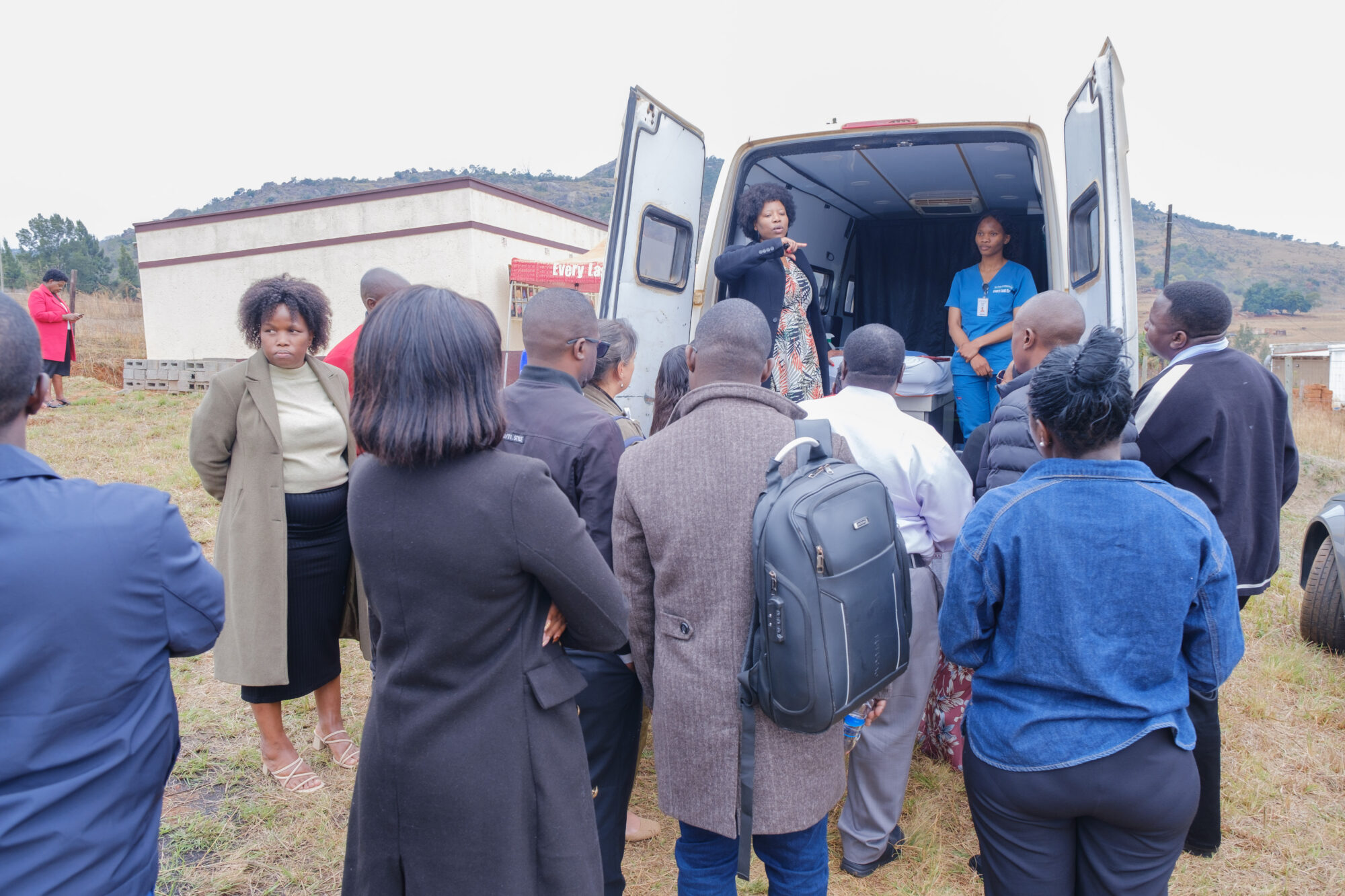
Kenya and Zambia have identified concrete actions to strengthen PrEP follow-up for pregnant and breastfeeding women after a HIVE-supported learning exchange with Eswatini.
In Zambia, maternal and child health services are documented predominantly on paper, making it difficult to maintain a longitudinal record when women move between facilities. In Kenya, the absence of a single client identifier linking maternal and child health, HIV prevention, and civil-registration data similarly makes it difficult to follow women and mother-infant pairs across facilities and reporting systems.
The learning exchange with Eswatini grew out of discussions at HIVE’s April 2026 meeting in Nairobi, where country teams identified implementation challenges they wanted to explore further. Eswatini, a CQUIN-member country, joined the meeting to share practices in longitudinal PrEP monitoring, linked information systems, and community follow-up.
Seeing the relevance to their own challenges, Kenya and Zambia approached the HIVE technical team for support to deepen the exchange. From August 24–28, 2026, HIVE supported Ministry of Health teams from both countries to visit Eswatini and examine approaches they can adapt within their own systems and country context.
Stronger Follow-Up in Practice
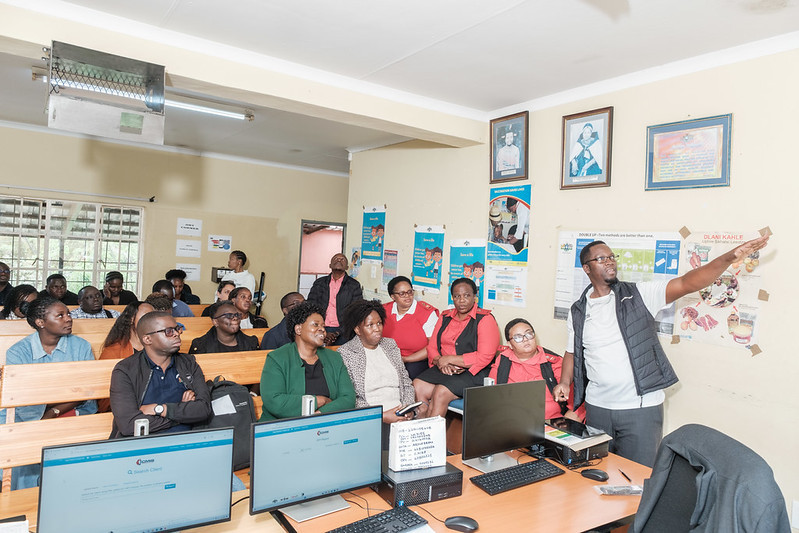
During the three-day visit, the delegations learned about how Eswatini’s Client Management Information System (CMIS) supports longitudinal follow-up through the use of unique identifiers, duplicate detection, longitudinal records, appointment tracking, and dashboards.
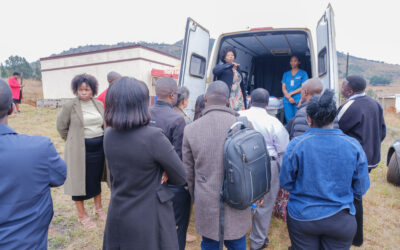
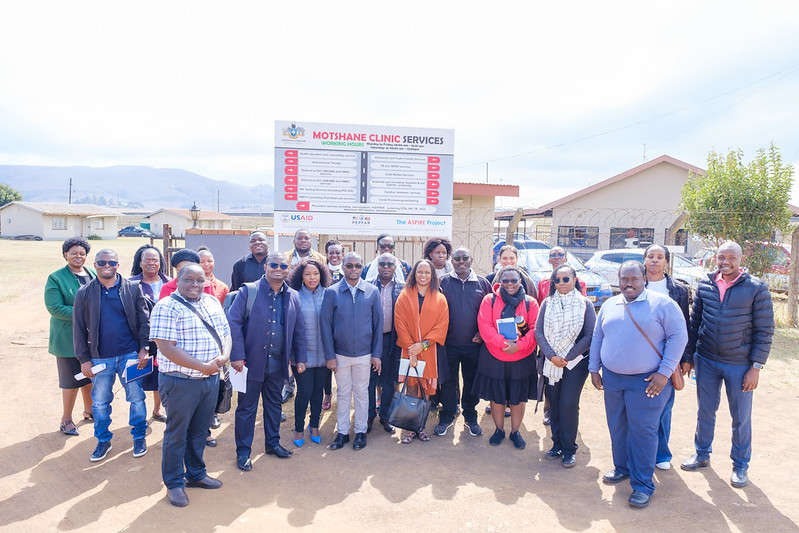
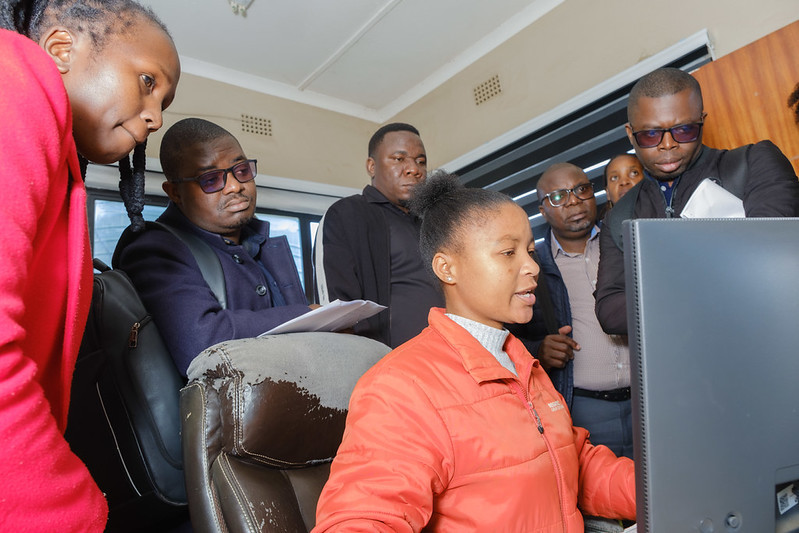
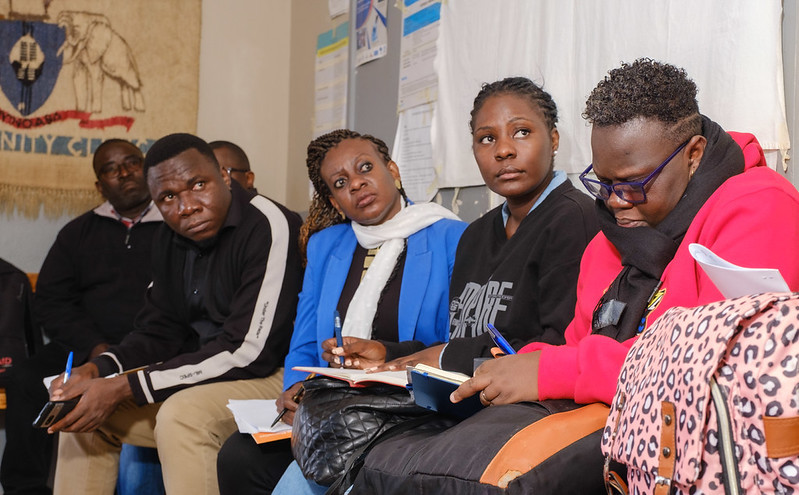
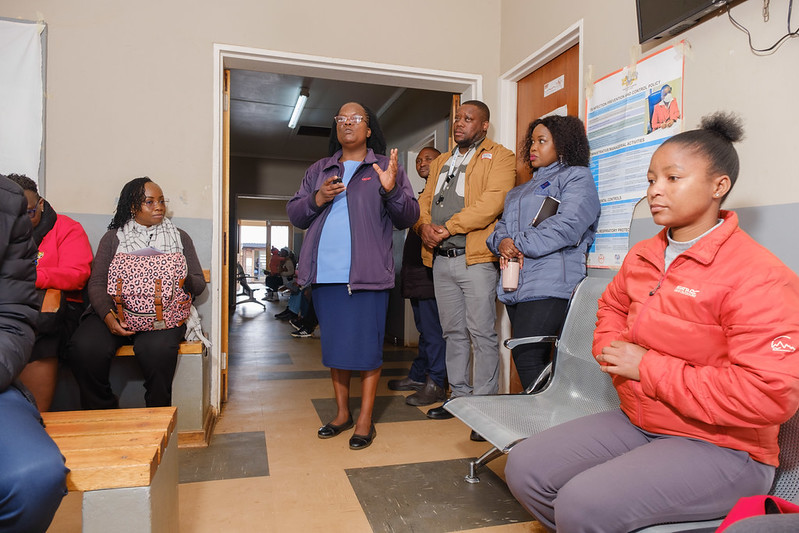
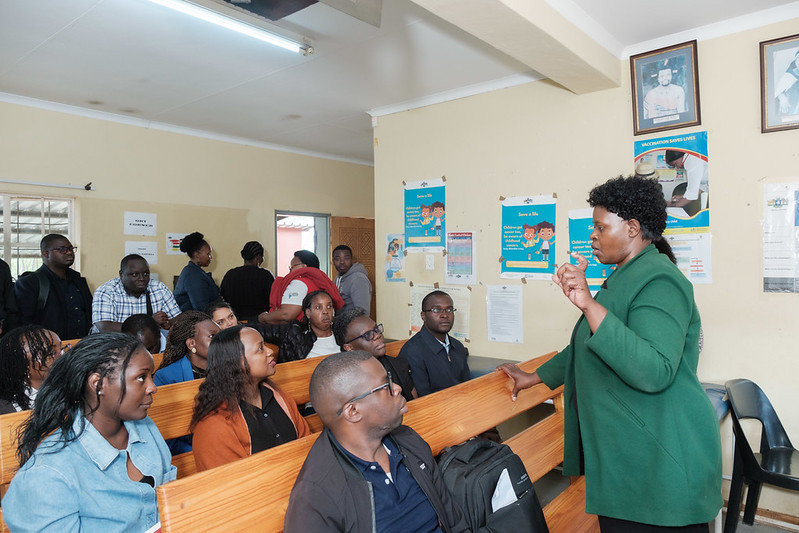
At the Motshane Clinic and King Sobhuza II Health Center, teams saw the CMIS in practice. A recipient of care visiting either health center for antenatal or postnatal care will receive HIV testing. Those who test negative are offered PrEP. Women who accept PrEP proceed to counseling and initiation, documentation, appointment scheduling, and follow-up. The system pulls previous clinical information into a single client record and links maternal and infant records, allowing mother-infant pairs to be followed across maternity, postnatal, and PrEP services. Its integration with laboratory and supply-chain management systems also connects clinical, laboratory, and commodity information.
The delegations also saw how the CMIS supports continuity across facilities. A dummy client record created at one facility was visible when they visited the next day, showing how client information is accessed across sites as people move between points of care.
Health care workers also enter data directly into the system and use their own data to identify gaps and support decision-making. This level of facility ownership of both data entry and data use impressed both visiting teams.
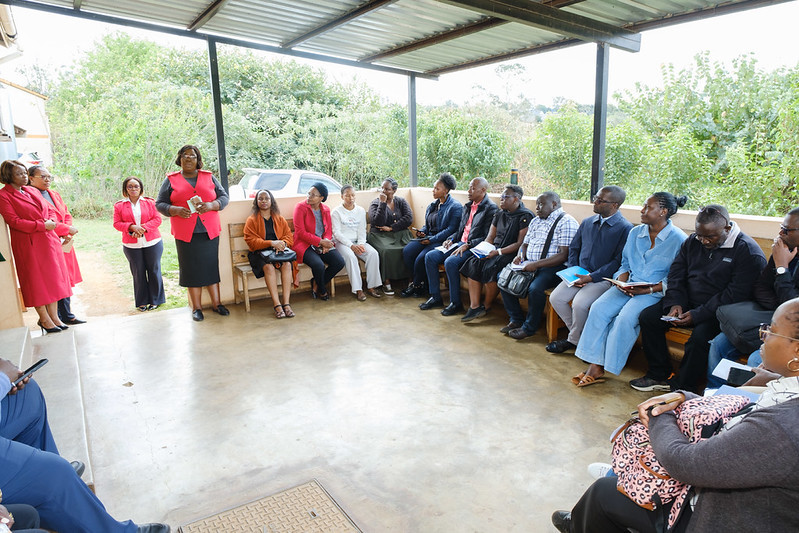
Beyond facilities, the delegations also saw how community partners support appointment reminders, tracing, and re-engagement in care, particularly after delivery when women may have fewer routine interactions with health facilities.

From Learning to Country Action
For Kenya, the exchange helped identify priorities around known monitoring gaps. Immediate actions include streamlining PrEP reporting tools, strengthening documentation and data quality, improving mother-infant linkage, and strengthening adverse-event reporting.
“From the lessons that we drew from Eswatini, one of the key things that we did as an immediate action is really to streamline our reporting tools,” said Elvis Kirui, Monitoring and Evaluation officer with Kenya’s National AIDS and STI Control Program.
Over the medium term, Kenya plans to strengthen real-time dashboards, HIV self-testing documentation and facility workflows for PrEP. Longer-term priorities include linking Kenya EMR/Taifa Care, Kenya’s electronic medical record system, with civil registration and other national systems and moving toward a national unique identifier that can follow clients across services and facilities. In the interim, the country plans to strengthen use of its existing PrEP identifier to improve tracking recipients of care across visits and facilities over time.
Zambia is prioritizing use of the national registration number as the client identifier within its electronic medical record system, SmartCare, alongside stronger duplicate detection to improve tracking. The country also plans to define a minimum set of PrEP indicators for pregnant and breastfeeding women, strengthen documentation of continuation and adverse events, and improve integration between SmartCare, laboratory, civil-registration and national reporting systems.
“The challenge is that we are using more of the paper-based [systems], especially in the MCH services,” said Chimuka Sianyinda, M&E officer with Zambia’s Ministry of Health. “We need to digitalize our MCH documentation, starting from antenatal up to the time when a child is being discharged or linked to treatment.”
Zambia also plans to introduce stronger appointment and missed-visit alerts, improve community data capture, and build facility-level capacity through electronic health record champions and local technical support.
Taking the learning forward
Kenya and Zambia are finalizing country action plans that specify priority activities, timelines, responsible teams, and areas where technical support will be required.
“The exchange reinforced that effective PrEP monitoring depends on more than one tool or platform. Client identification, service delivery, follow-up and data use all need to connect so that women can be followed across pregnancy, delivery and breastfeeding. The most important outcome was that Kenya and Zambia were able to move from broad monitoring challenges to practical priorities they can take forward in their own systems.”
Maureen Syowai, program director, CQUIN/HIVE
HIVE will continue supporting implementation in areas including system design, interoperability, indicator harmonization and phased implementation, helping move peer learning beyond discussion and into country implementation.