As Kenya continues to expand long-acting PrEP, early implementation findings are helping strengthen training, supervision, and service delivery while rollout is still ongoing, including how services respond to the needs of pregnant and breastfeeding women. For other HIVE member countries introducing or expanding long-acting PrEP, Kenya offers a practical example of how early implementation findings can be used to strengthen programs as they scale.
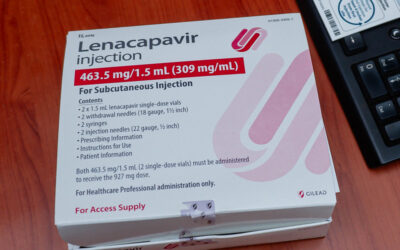
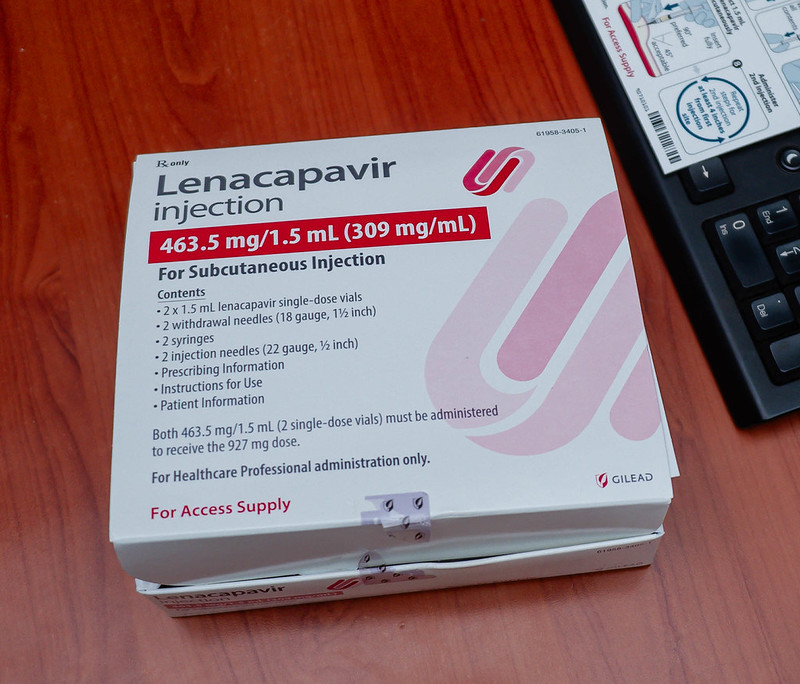
Following the launch of lenacapavir (LEN) for HIV prevention in February 2026, Kenya began phase-one implementation in 15 high-burden counties in March. By July 2026, 12,113 people had initiated LEN. Pregnant and breastfeeding women accounted for 23 percent of women initiated.
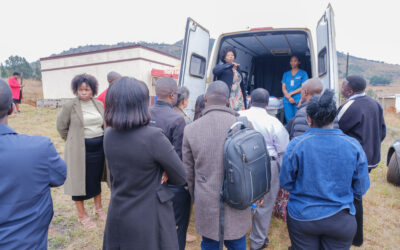
Between May 18 and 30, the National AIDS and STI Control Program (NASCOP) led technical assistance visits to ten of the phase-one counties to assess long-acting PrEP implementation at the facility level and support teams as rollout continued.
The technical assistance visits documented strong demand for LEN, committed health care providers, and facility PrEP champions. They also documented integration of long-acting PrEP within outpatient and maternal, newborn, and child health services, as well as routine use of program and commodity data.
Kenya is now using findings from the visits to strengthen the training, supervision, and implementation tools that will guide continued scale-up.
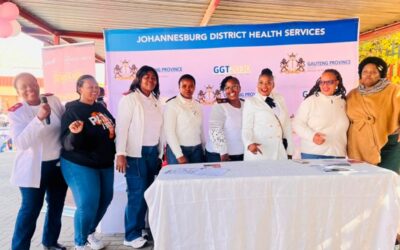
From August 3-7, NASCOP convened national teams, county teams, and technical partners for a five-day working session in Machakos County to review the findings.
Participants reviewed the national long-acting PrEP training package module by module, drawing on lessons from the technical assistance visits, earlier training experience, and updated policies and guidance.
The review focused on areas where early implementation showed a need for additional support, including consistent PrEP choice counseling, provider competency in CAB-LA administration, uptake among pregnant and breastfeeding women, demand creation, commodity management and pharmacovigilance, and documentation and electronic medical record data quality.
Participants used those findings to strengthen practical guidance on PrEP choice counseling, administration and follow-up of long-acting products, adverse-event reporting, commodity management, documentation and routine data use. The review also strengthened guidance on integrating long-acting PrEP within maternal and child health services, including for pregnant and breastfeeding women.
Participants also refined the Integrated Prevention Options Supportive Supervision and Mentorship Checklist, which will help clinical teams identify implementation gaps and good practices during future visits, provide immediate mentorship, and agree on specific improvement actions and timelines.

“The early rollout has given us an important opportunity to see not only where long-acting PrEP is gaining traction, but also where additional support is needed as we move toward wider implementation,” said Paul Ndambuki, program officer for HIV Prevention at NASCOP. “Using these findings now allows us to strengthen implementation while the program is still evolving.”
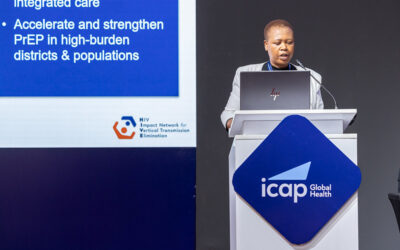
At NASCOP’s invitation, HIVE participated in the review to help ensure that the needs of pregnant and breastfeeding women were considered.
“For HIVE, an important part of this work is making sure that the needs of PBFW are considered as countries introduce and scale new PrEP options,” said Lulu Nazi Ndapatani, HIVE Regional Clinical Advisor. “Joining Kenya’s technical review gave us an opportunity to contribute that perspective as the team strengthened its training and supportive supervision tools.”
The review identified continued mentorship, stronger integration within maternal and child health services, improved forecasting and commodity redistribution, routine data reconciliation, client tracking, and stronger community engagement as priorities for continued implementation.
Kenya’s next steps include finalizing the technical assistance findings report, incorporating agreed revisions into the training package, preparing the standardized checklist for future supportive-supervision visits, and tracking implementation of the action plan through national, county, and facility review mechanisms.